
Myanmar Earthquake Response
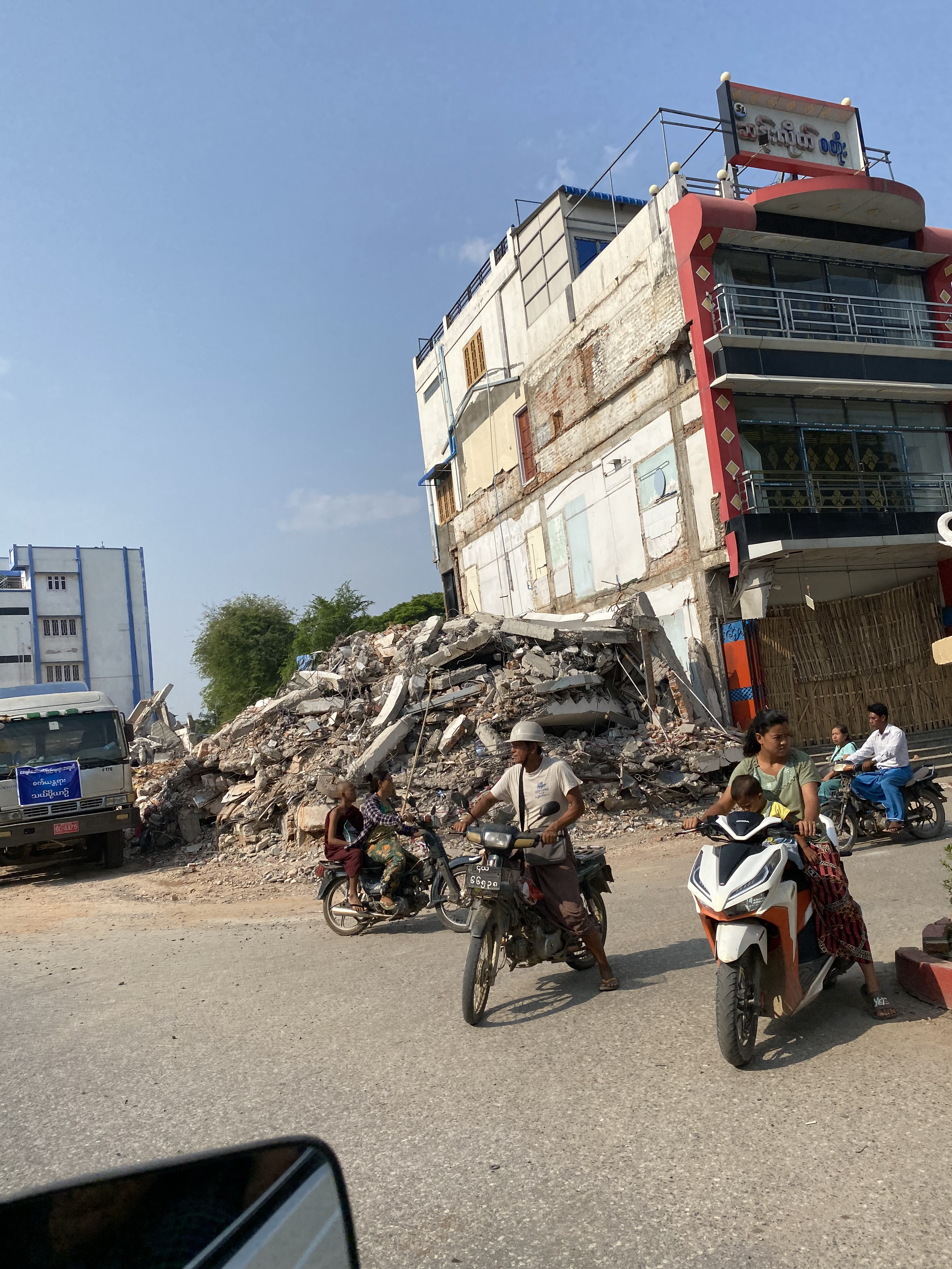
A destructive 7.7-magnitude quake just struck Myanmar on Friday, March 28, 2025, near the city
of Mandalay.
Since the onset of the earthquake, we’ve supported over 15,000 people through solar energy.
At a Glance
15,312 lives transformed in 6 months.
13 solar installations.
3 provinces.
In 2 days: On the way to the epicenter
In 10 days: Completed first solar installation for disaster relief
13 solar installations at:
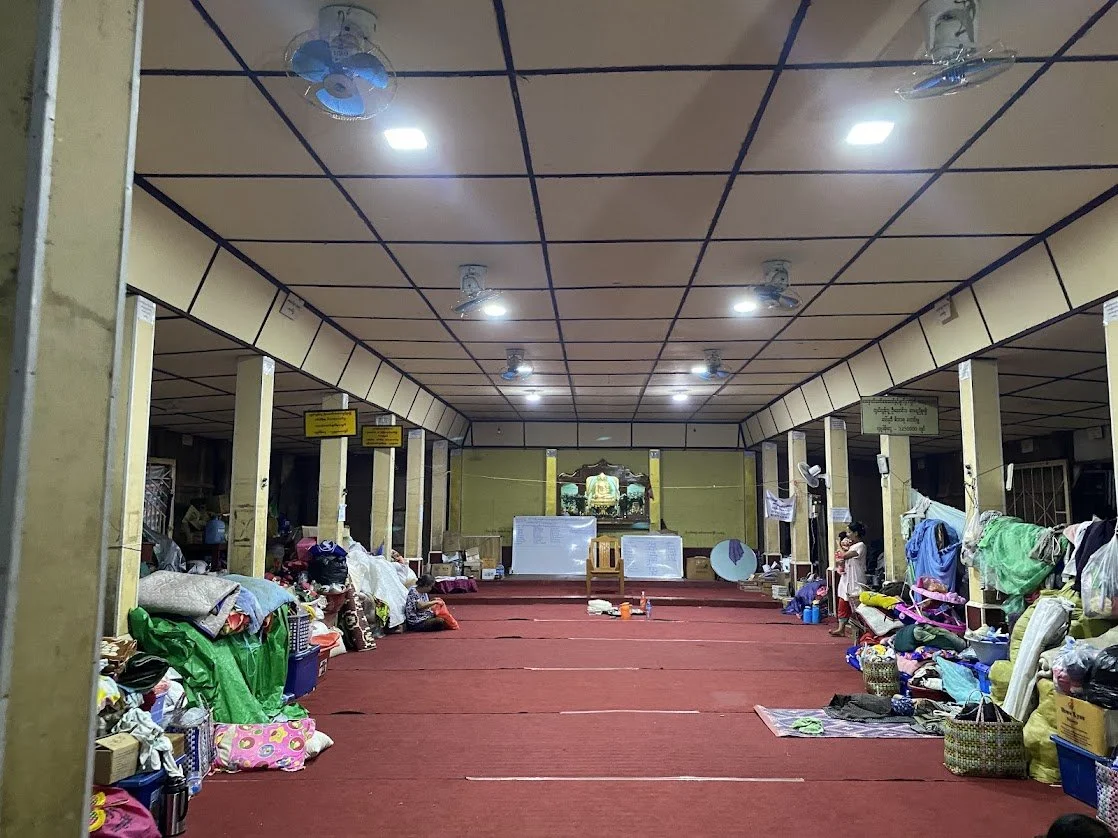
8 emergency shelters
3 healthcare facilities

2 educational centers
What We Did
We transformed 15,312 lives across 13 community facilities across 3 provinces, including the area of the epicenter that other aid couldn’t reach
Provided energy access across our 3 program focuses:
displacement, healthcare, and education
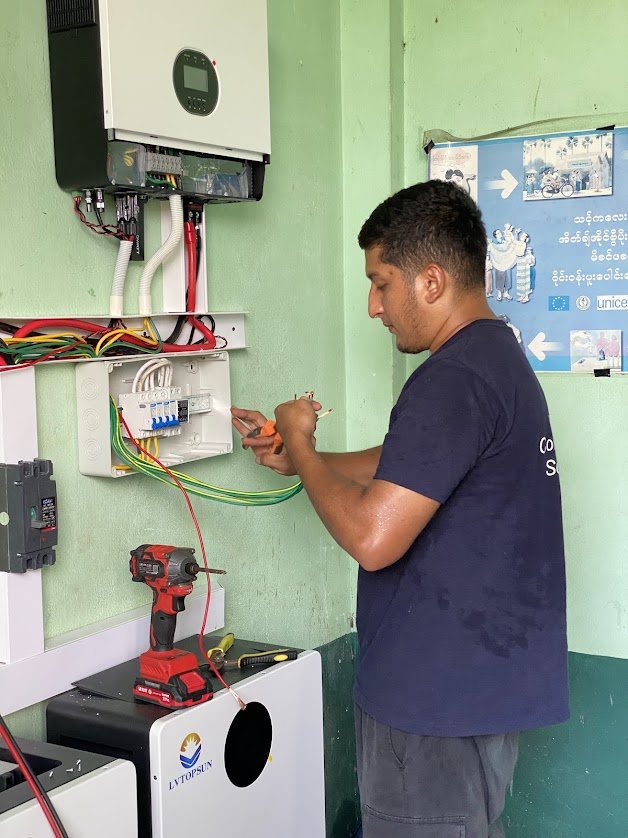
Our installations provided solar electricity that powered:
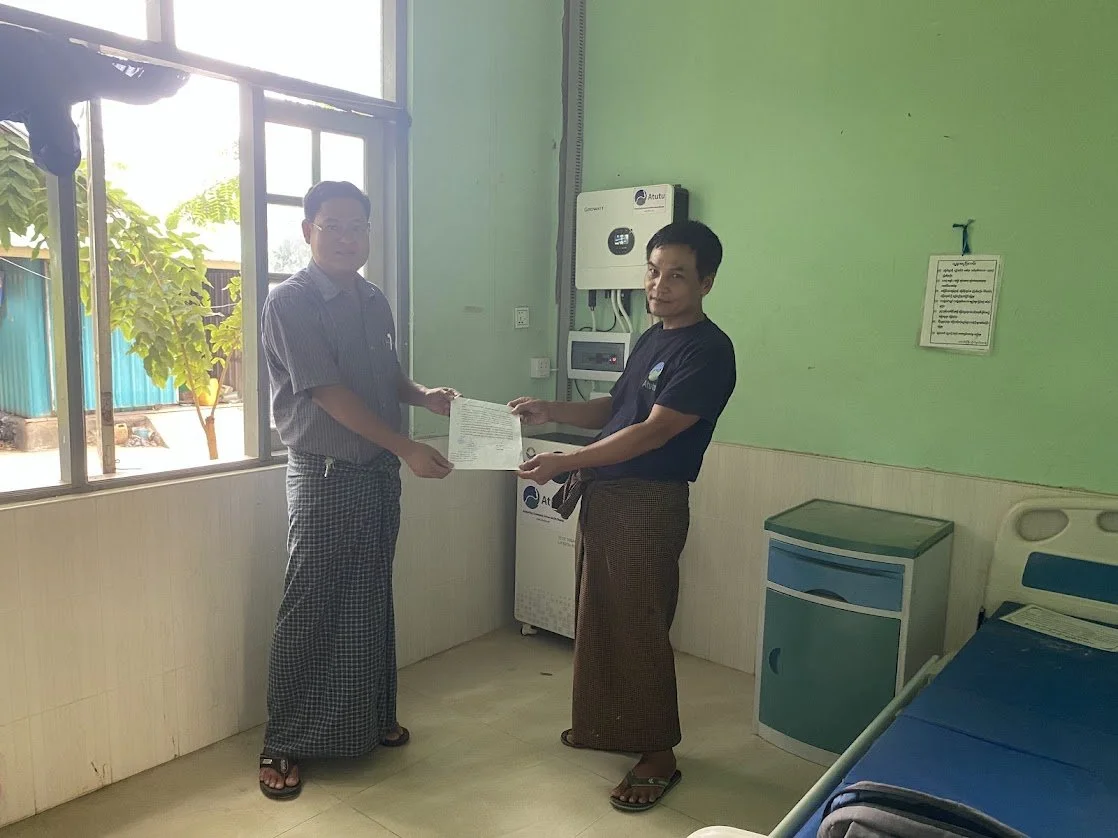
MEDICAL EQUIPMENT
LIGHTING
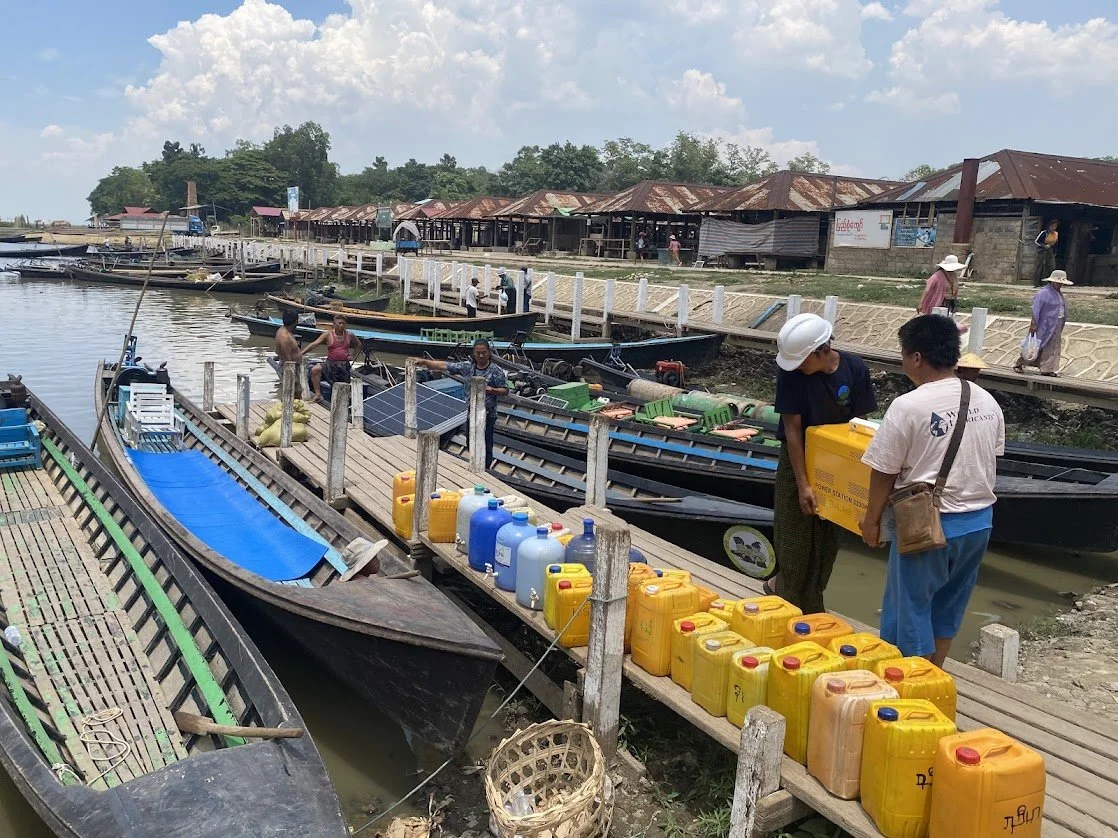
WATER FILTRATION
DEVICE CHARGING
💡 This solar electricity supported earthquake survivors in accessing:
Higher-quality healthcare
Clean water
Safer nighttime environments and use of basic facilities
Educational and community activities
Disaster relief information and support
Rising to the Occasion
-
Going where we’re needed most required real-time local information and support that reflected evolving conditions on the ground.
Triaging
Utilized social media, word of mouth, and community networks to identify last-mile communities in need of support
Prioritized according to assessed need based on level of geographic isolation, exposure to conventional aid, history of underinvestment, etc.
Evaluated and validated need of response sites with in-person site assessments by our team and local network’s community members
Last-mile reachability
Partnered with local aid groups and own network to bypass transportation challenges that restricted movement of other NGOs and aid groups
Followed community knowledge for alternative travel routes to those with damaged roads and bridges
Applied community ethos to facilitate local cooperation and enable use of those alternative routes
Upkeep
Maintained technical durability after initial installation through local reporting and our team returning to conduct systems repairs
Continually assessed for active need post-installation, treating need as a dynamic matter
Ex: One emergency shelter needed to run water pump for a longer amount of time because of the increase in shelter residents. The initially installed system could not meet this evolved capacity, so our team returned and expanded battery capacity to meet the increased need
Decommissioned systems for inactive shelters, putting that system back into circulation help another site with active need
-
This was Atutu’s first time on the frontlines of disaster relief, so we had to shift gears quickly to meet the moment.
Dispatched our team to the epicenter within 2 days of the earthquake and gaining real-time information on scope of damage and community need
Expanded our geographical scope from 1 to 3 provinces for more localized support in site identification and installation
Refined the mobile design for our solar microgrids for capacity to move with temporary community facilities like emergency shelters
-
We have continued to show up for last-mile communities amidst difficulties from Myanmar’s context of conflict and recent disaster.
Collaborated with our partners for immediate disaster funding that let us complete our first solar installation in 10 days post-earthquake and execute an average of 2 installations per month
Ensured durability of energy systems amidst unstable conditions with community integration as infrastructure, adaptive supply chains, and engineering know-how
Incorporated our disaster relief experience into our long-term vision and strategy for local rebuilding and resilience
We were able to rise to the occasion with the following practices:
Up Next
Disaster relief is just the first step. In the next few years, we’re focusing on rebuilding and resiliency by continuing to run our 4 programs in healthcare, education, displacement, and livelihood. These will:
1. Facilitate energy access to help earthquake-impacted communities rebuild essential services and needs
💡 EXAMPLE
At Inle Lake, we have continued to power a floating emergency clinic designed to mobilize even during flood season. Because it floats, it can rise with flood water and go anywhere around the lake to provide healthcare so that lake communities can access emergency healthcare more quickly instead of being delayed by excessive travel time to faraway health centers.
2. Promote energy resilience with our existing mobile microgrids, which are able to be re-deployed and moved with community collaboration for future energy emergencies
We Did This Together
In Burmese, “Atutu”means “together.” We did this. Together.
To our donors and organizational partners: thank you. Because of your financial support and collaboration, we could reach communities that could’ve been reached last or never reached at all. We won’t forget how you showed up to rise to the occasion with us. Thank you so much.
Thank you to our partners:
Earthquake Response Installation
-
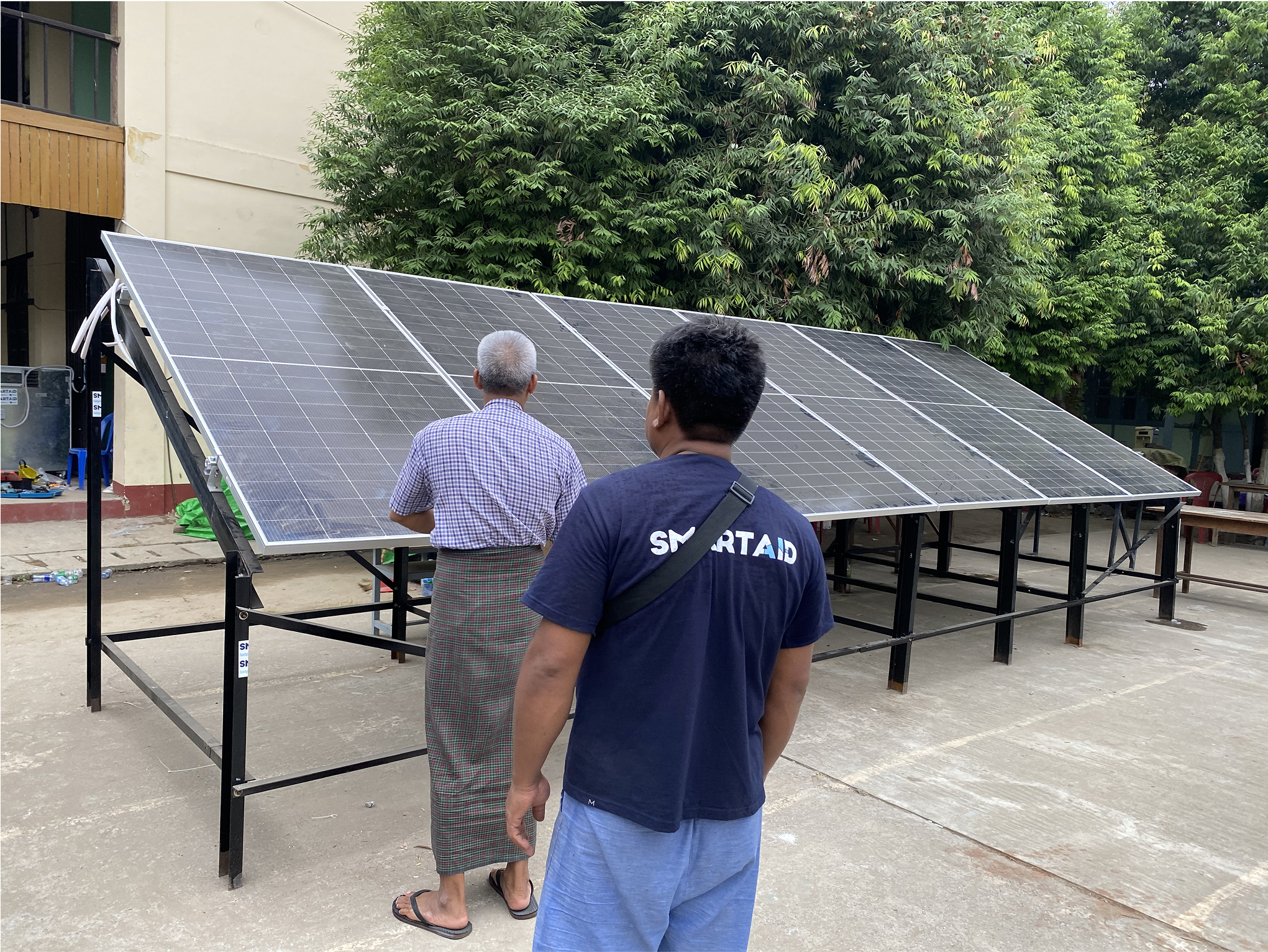
Sagaing Earthquake Emergency Shelter 1
On April 10, 2025, Atutu completed its first earthquake response installation at an emergency shelter with a total of 220 earthquake victims.
-
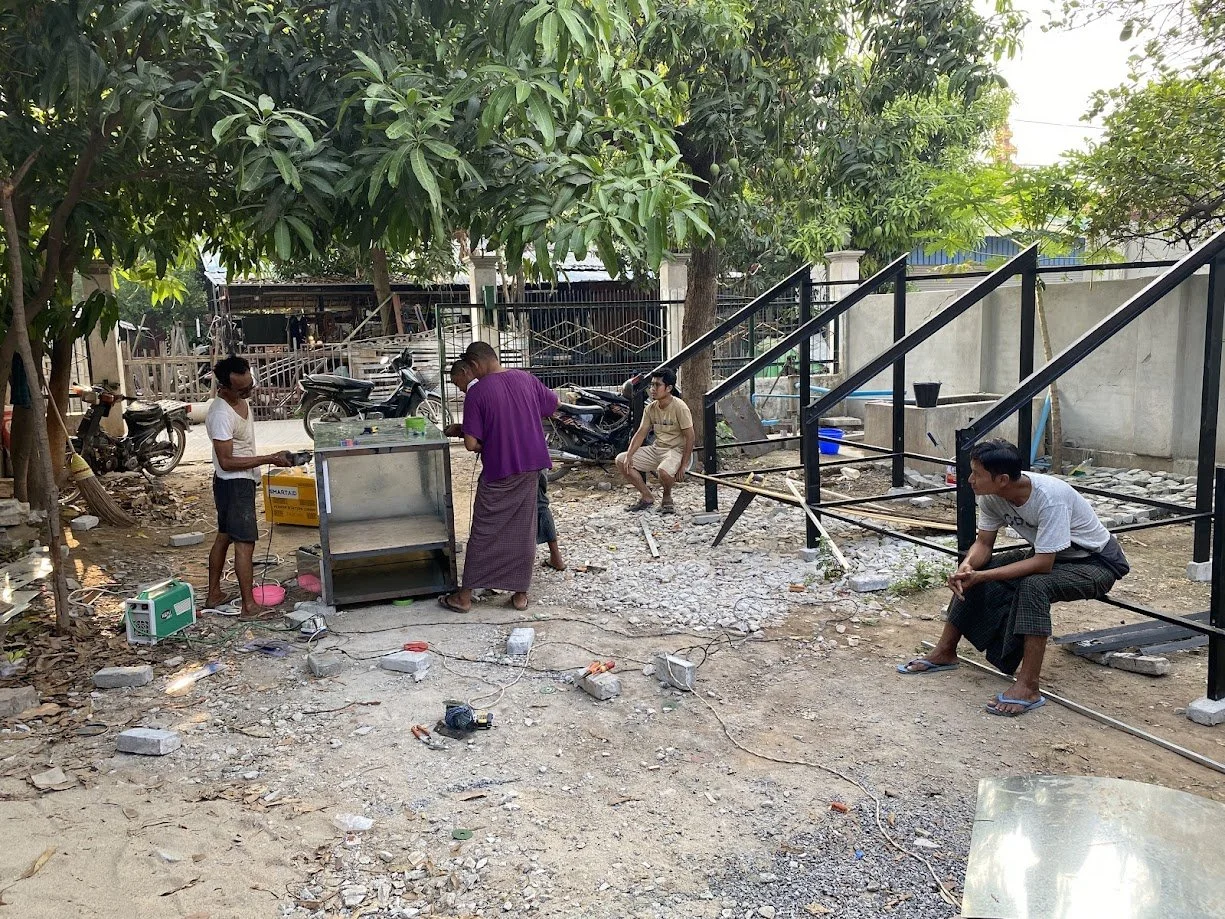
Sagaing Earthquake Emergency Shelter 2
On April 19, 2025, Atutu deployed a mobile microgrid at an emergency shelter located in a monastery in the Sagaing region.
gallery


