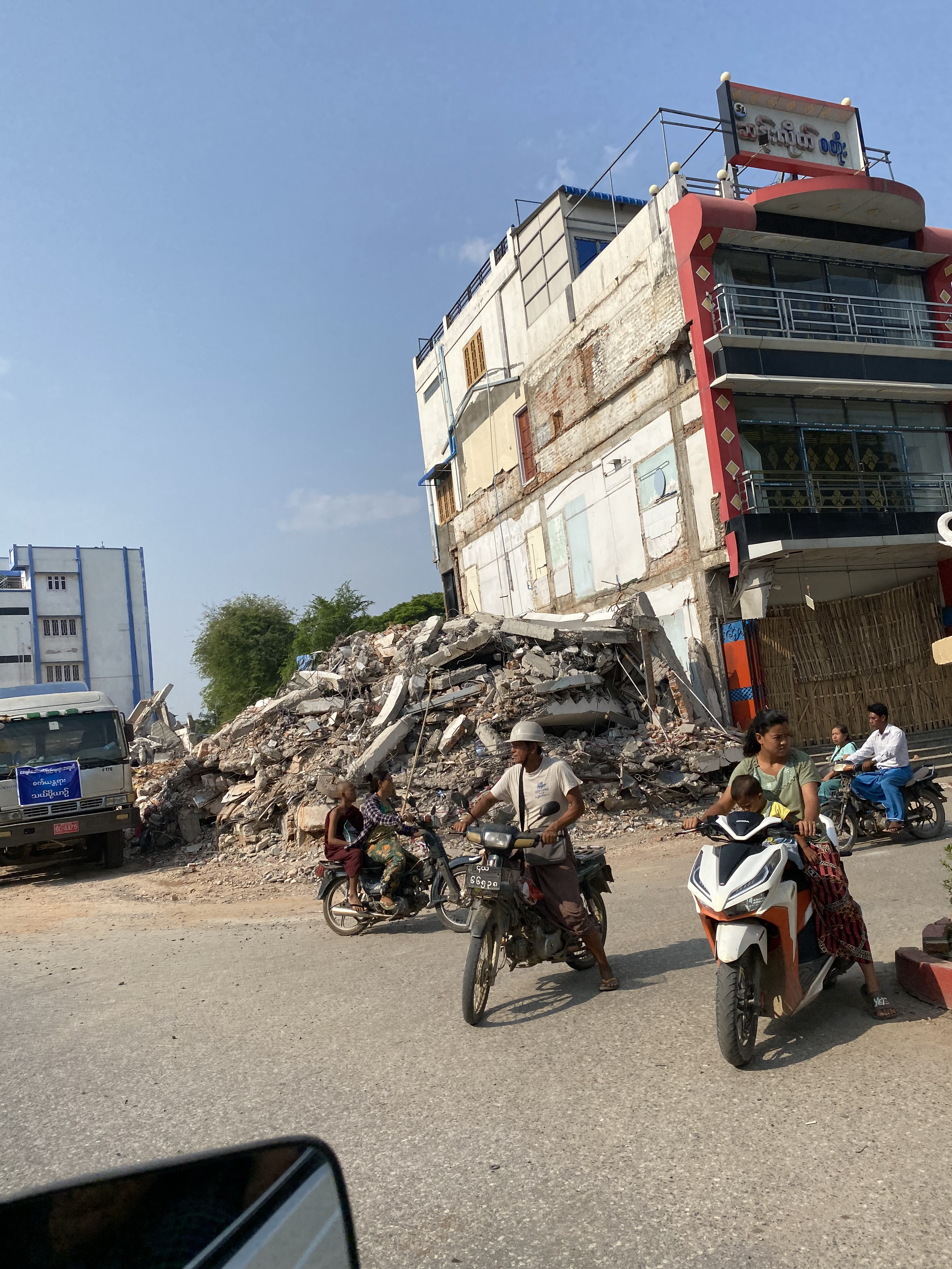
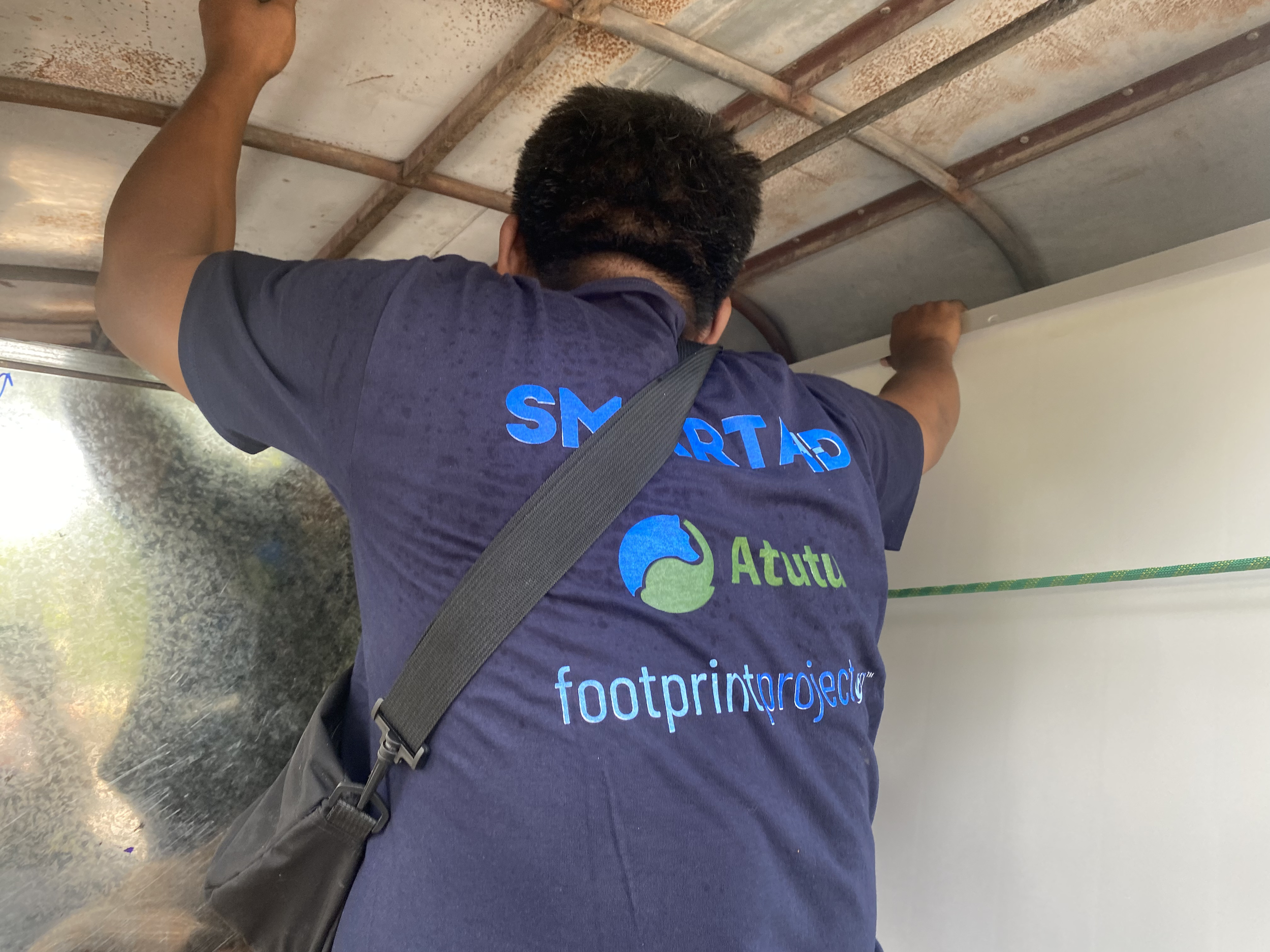
Around 3 weeks after Myanmar’s 7.7-magnitude earthquake, Atutu finished its first rapid-response solar install as part of disaster relief. We provided solar energy
to an emergency shelter housing up to 3,000 people in the most impacted region of Sagaing.
Sagaing Earthquake Emergency Shelter 2
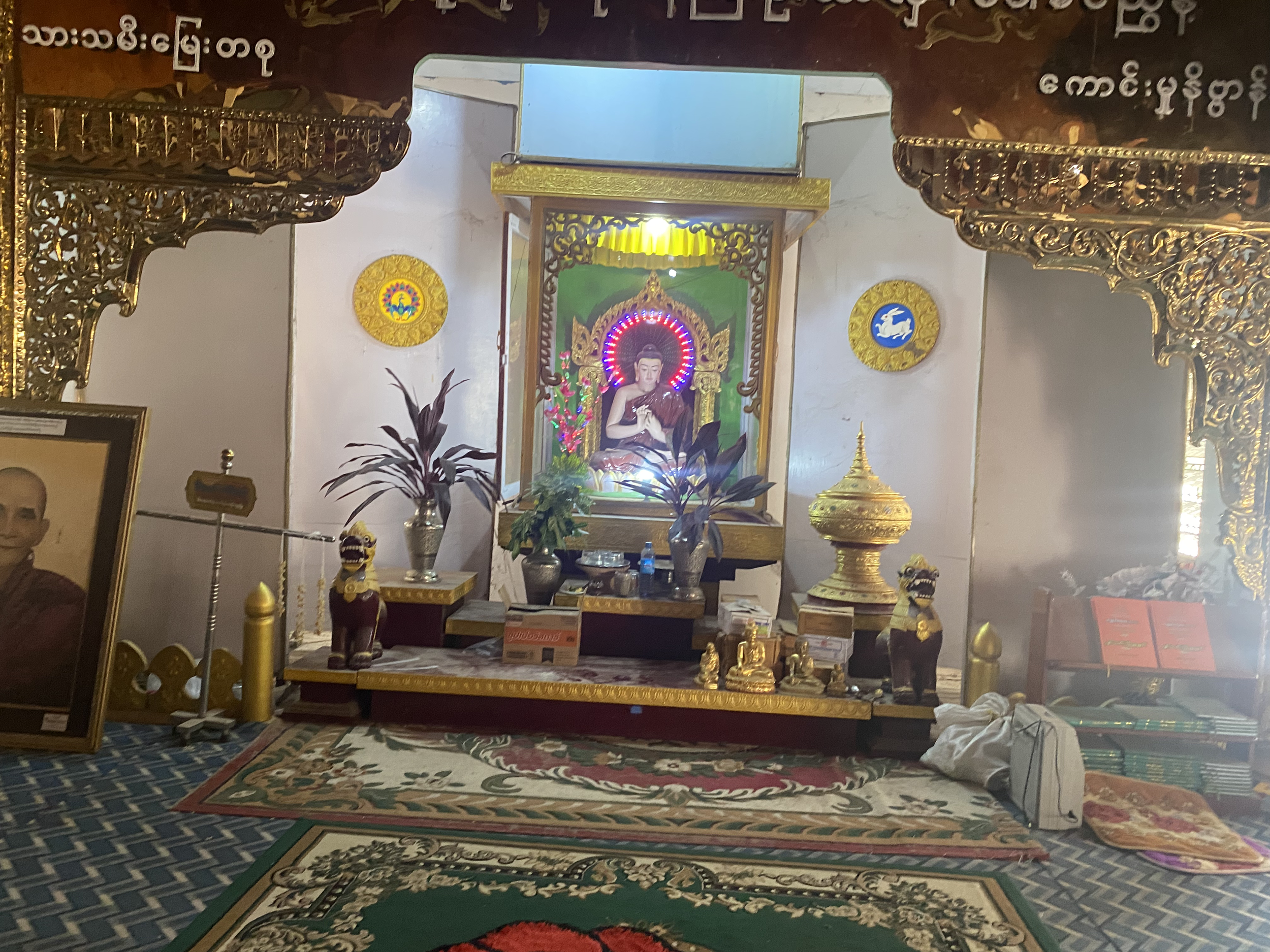
This shelter wasn’t led by international organizations. It happened out of local goodwill—Buddhist monks just trying to help people in need. Even before the earthquake, they offered their two-acre monastery to 1,700 people displaced from armed conflicts. After the earthquake, they took in 1,300 more people whose homes were damaged or destroyed. Most of the residents were women and children, making up 75% of the people there.
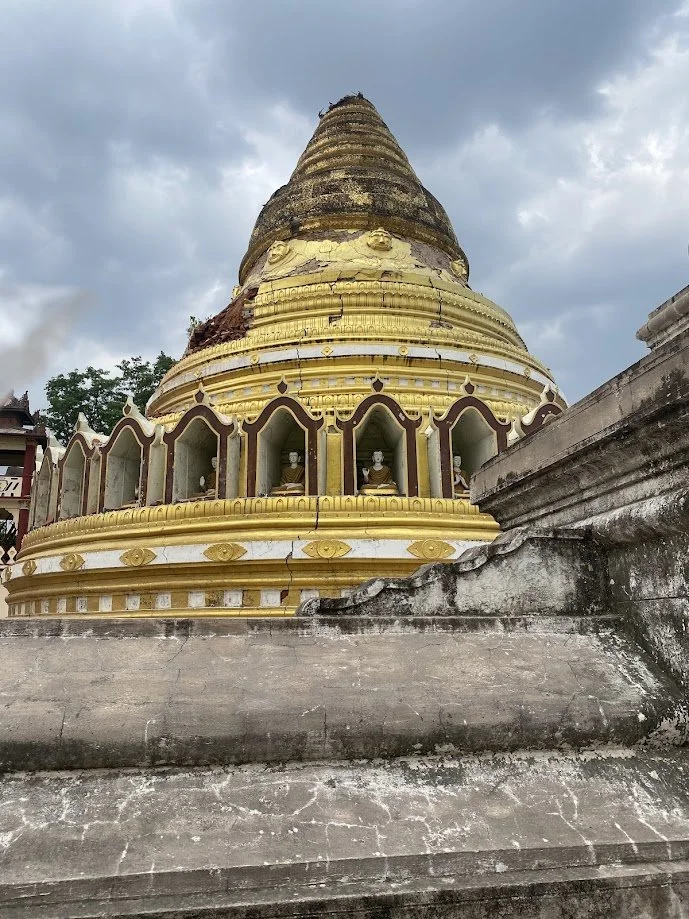
The shelter’s location in Sagaing also made accessing aid harder. The area had severe earthquake damage because of its closeness to the epicenter. It had all this damage, but it received less international aid because of various obstacles—armed conflict, damaged roads, travel restrictions. The need for help was there, but it wasn’t being met. This meant the shelter had to make do on its own, running without organizational help in a compound that wasn’t built for housing so many people. And more people meant overcrowding and a bigger demand for resources.

The monastery housed a lot of people, but it had to operate without reliable electricity because of earthquake damage to power lines and transformers. As a result, residents had to depend on inconsistent and harmful energy sources. For outdoor lighting, they used solar lanterns and battery-powered flashlights. For phone charging, they had to rely on expensive diesel generators. For cooking, they turned to firewood and charcoal, which came with environmental and health risks.
Lack of reliable energy access meant that people had to ration electricity-powered resources and sacrifice well-being as a result. And the shelter wouldn’t be able to count on help coming anytime soon. So Atutu stepped in to make sure they weren’t left behind.
Examples of the shelter’s energy-related burdens were:
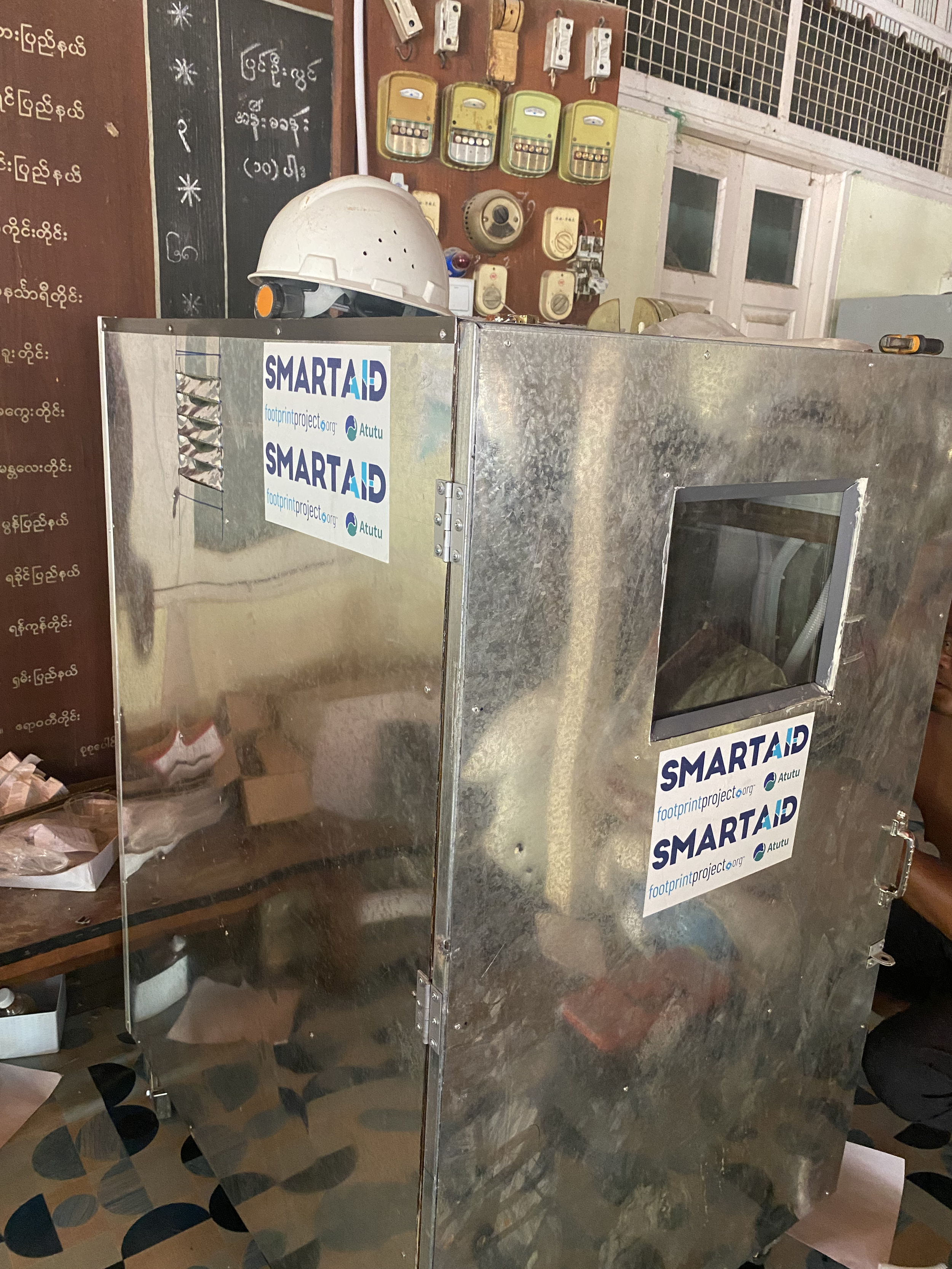
To address these limitations, Atutu installed a solar microgrid system that provided:
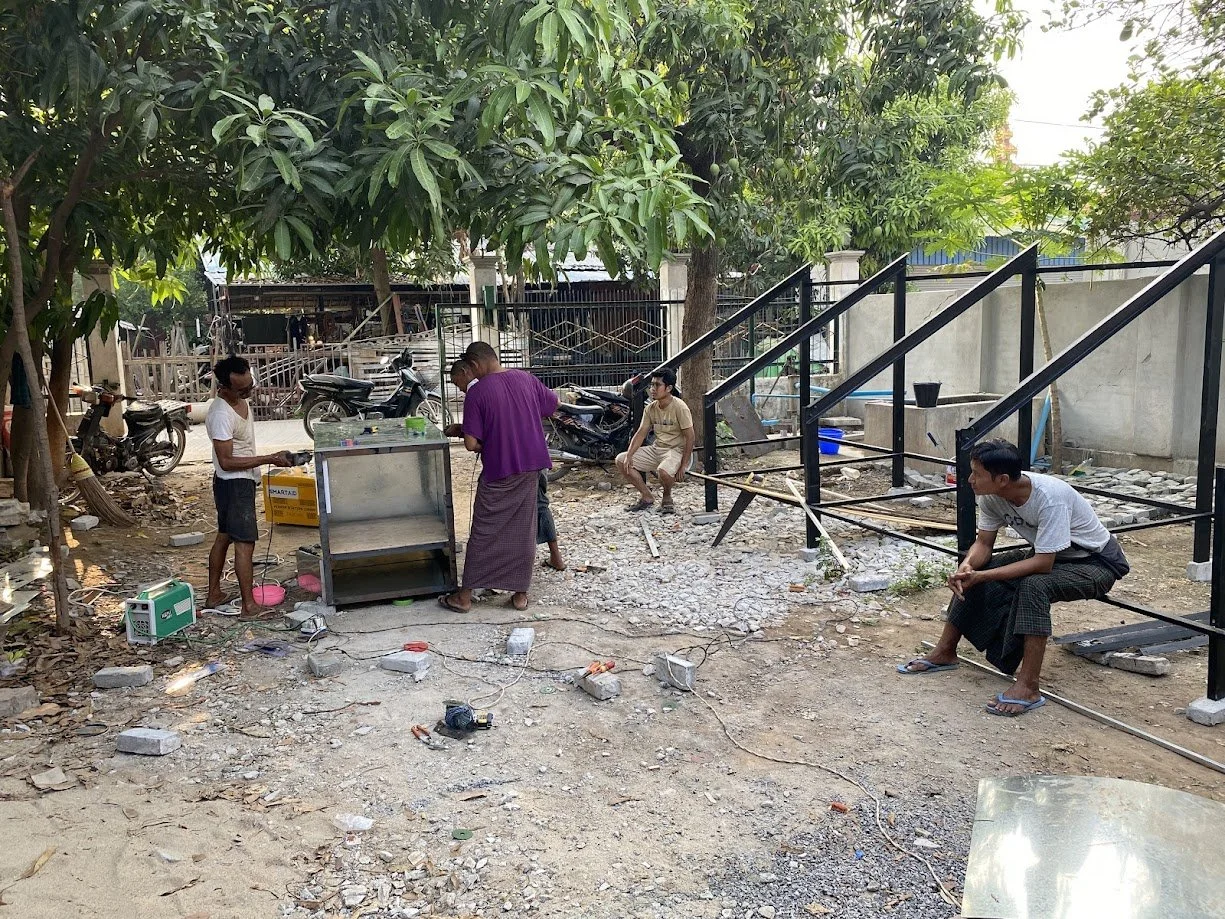
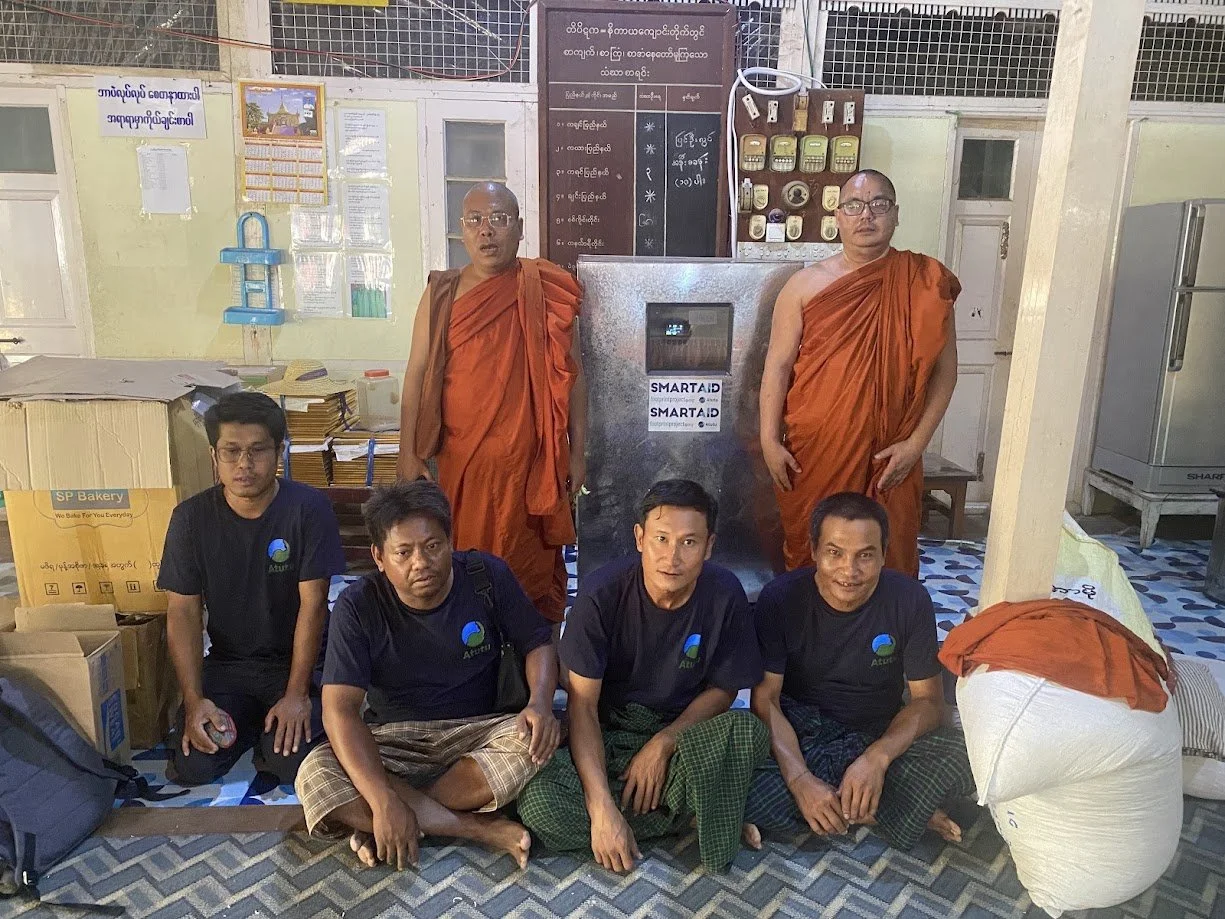
This is how we established access to energy and essential services at the shelter, increasing the displaced residents’ well-being and dignity. With our partners, SmartAID and Footprint Project, we were able to respond quickly and make sure this Sagaing shelter wasn’t left behind.
gallery